What 7 Days in Sydney Actually Costs in 2026
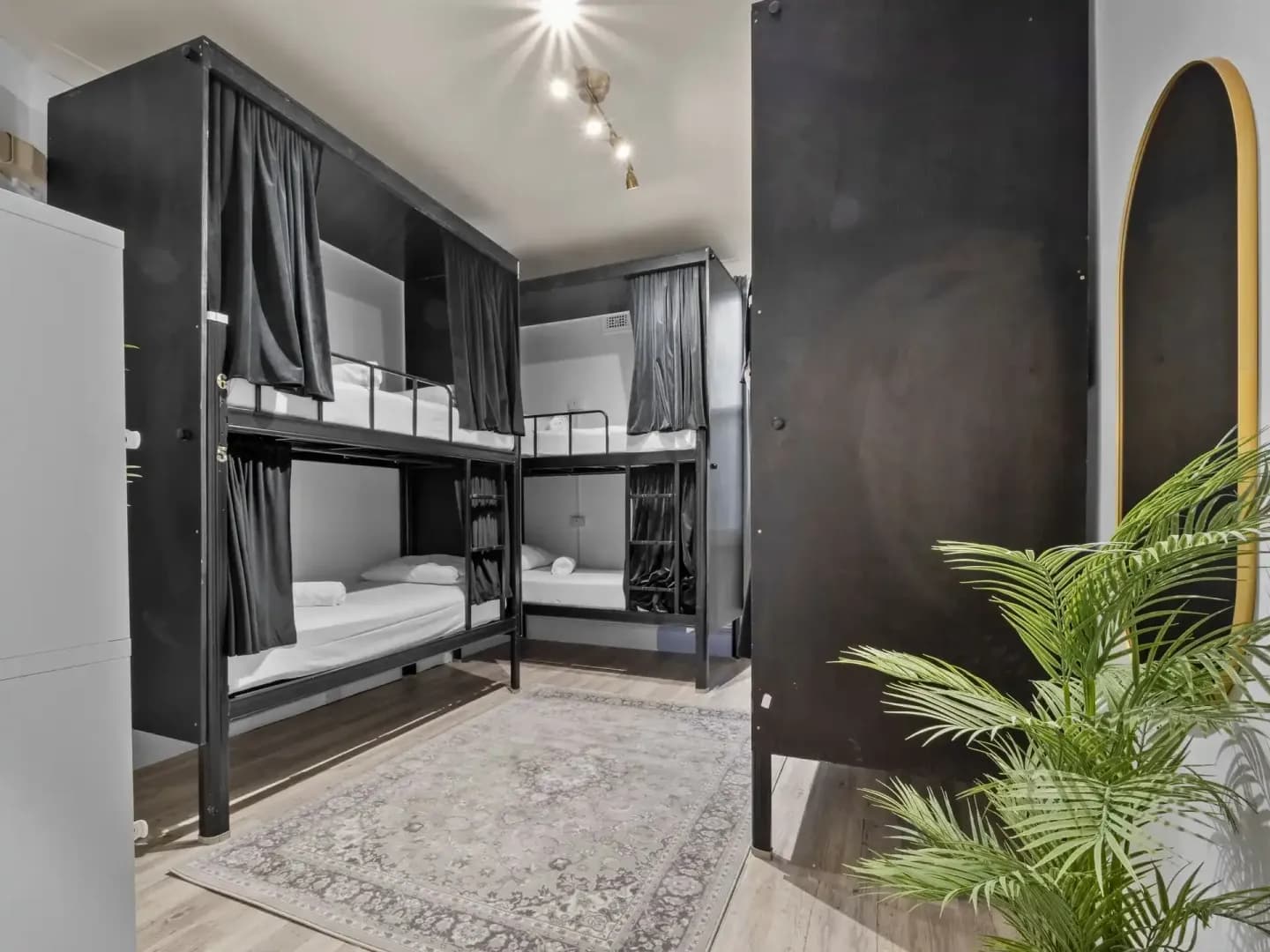
A realistic 7-day Sydney backpacker budget in July 2026 is about $620-$980 before flights. The biggest controllable line is accommodation, then dinner.
Sydney budget 2026 guide: see 7-day costs for accommodation, food, Opal transport, SIM, attractions and cheap eats before booking your stay, with July prices.
Sydney has a reputation for being expensive, but most budget estimates are too vague to help. They say 'hostel, food, transport, attractions' and stop there. That is not enough if you are arriving with a fixed amount of money and need to know whether a week in Sydney is $600, $900 or more than $1,200.
Here is the practical answer as of 13 July 2026: a careful backpacker can plan 7 days in Sydney around $620-$760 before flights. A more relaxed backpacker who pays for dinners, uses the airport train both ways and does one or two paid attractions should expect about $800-$980. The number jumps fast if you book late, drink out every night, take rideshares or choose private rooms.
The single biggest lever is not coffee or museum tickets. It is the combination of accommodation and dinner. A $35/night pod with dinner included creates a $245 accommodation floor for the week. If dinner would otherwise cost $20-$25 per night, that inclusion can protect another $140-$175 across 7 nights.
One-week Sydney budget table: July 2026 numbers
| Line item | Careful backpacker | Relaxed backpacker | What changes the number |
|---|---|---|---|
| Accommodation | $245-$315 | $350-$490 | Azzurro pod-style stays start from $35/night; late bookings and private rooms lift the total. |
| Breakfast, lunch, snacks | $210-$280 | $280-$385 | Haymarket meals, supermarket breakfasts, bakery lunches and convenience-store snacks decide the gap. |
| Dinner | $0 if included | $140-$175 | Seven $20-$25 dinners add up fast. Azzurro managed stays and Tequila Sunrise are named free-dinner options. |
| Transport | $35-$50 | $70-$90 | Normal city travel is limited by Opal caps; airport station access can add about $17.92 each way. |
| SIM or eSIM | $0-$30 | $20-$40 | Some travellers use roaming. Others buy a short prepaid SIM/eSIM for maps, messaging and bookings. |
| Laundry and basics | $10-$25 | $25-$45 | Laundry, toiletries, towel replacement, sunscreen and small pharmacy buys are easy to forget. |
| Paid attractions | $0-$80 | $80-$180 | Free harbour walks cost nothing; SEA LIFE and Taronga-style days change the week quickly. |
| Total before flights | $620-$760 | $800-$980 | The low number needs cheap accommodation, included dinner and disciplined transport. |
Prices are planning numbers checked or refreshed on 13 July 2026. Live prices change by date, booking channel, availability and public holiday periods.
How much should accommodation cost for 7 days?
For a Sydney budget trip, accommodation should be the first line you lock. If you can keep it near $35-$45 per night, your week stays flexible. Seven nights at $35 is $245. Seven nights at $55 is $385. Seven nights at $80 is $560 before you buy food or tap on a train.
That is why the accommodation floor matters more than most small savings. You can skip one paid attraction and save $40-$60 once. You can choose a cheaper dinner and save $10-$15 per night. But if your room is $30 higher every night, the week is already $210 higher.
How much does food cost in Sydney for one week?
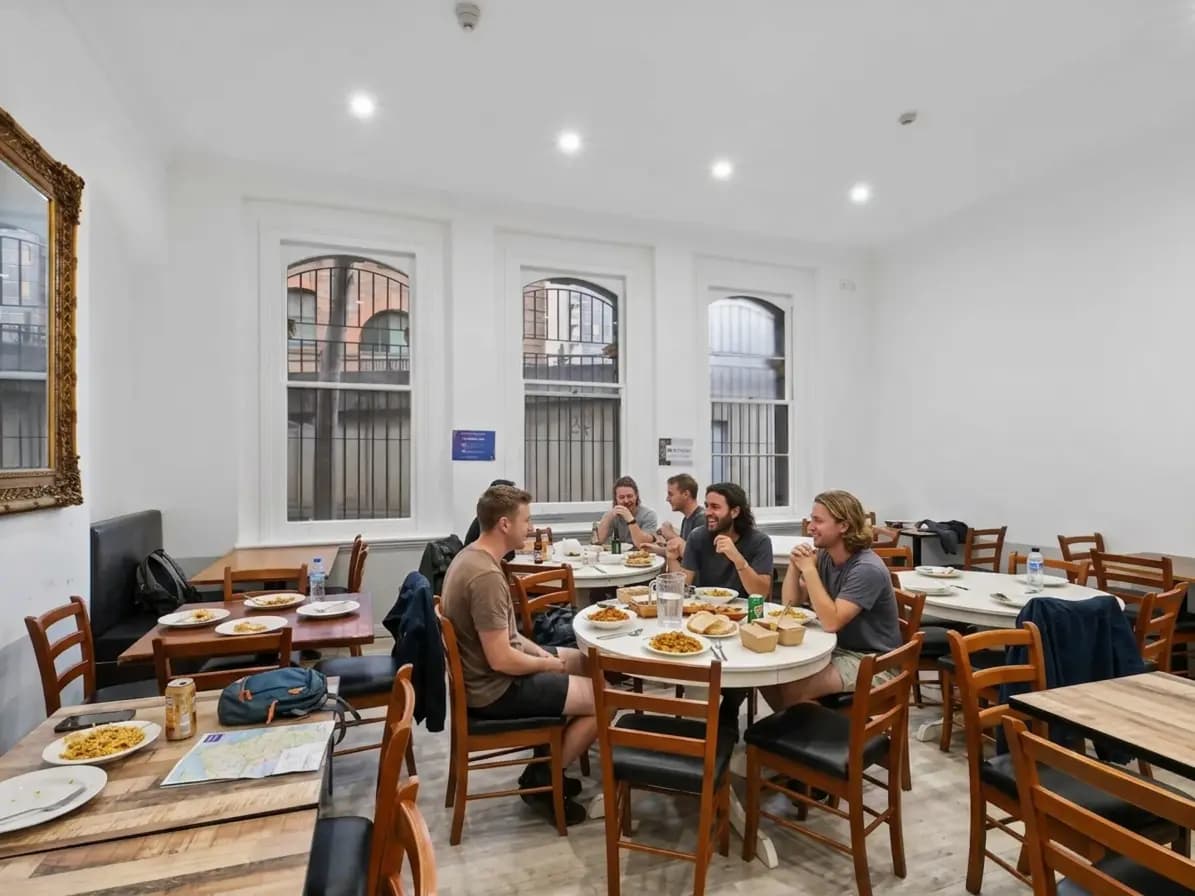
A realistic backpacker food budget is not three restaurant meals per day. It is usually supermarket breakfast, one cheap lunch, one dinner and snacks. In July 2026 planning terms, breakfast can be $5-$10 if you keep it simple, lunch around Haymarket or takeaway strips can sit around $12-$18, and snacks or drinks can add $5-$10 per day.
Dinner is where the week breaks. A modest paid dinner at $20-$25 does not feel huge on one night. Across seven nights it becomes $140-$175. That is the same size as a major attraction day, several airport train access fees or multiple extra nights between a cheap pod and a more expensive bed.
What should you budget for Opal transport?
As of July 2026, plan Sydney transport around Opal caps rather than guessing every trip. Normal city movement by train, bus, light rail and ferry is usually manageable if you keep using the same payment method and avoid rideshares. A practical 7-day backpacker transport line is $35-$50 if you stay central and walk often.
Airport rail is the trap to remember. The station access fee is separate from a normal city tap-on pattern and can add about $17.92 each way for adults using Domestic or International Airport stations. If you use the airport train both ways, allow roughly another $35.84 before normal fares and caps.
How much do Sydney attractions cost in 2026?
You can build a strong Sydney week with mostly free sights: Darling Harbour, the Harbour Bridge walk, The Rocks, Royal Botanic Garden, Bondi to Coogee-style coastal walks, free gallery time and neighbourhood wandering. That version keeps attractions close to $0-$30, with the extra spend going to coffee, snacks or ferry movement.
If you want paid attractions, budget them line by line. On 13 July 2026, Taronga Zoo Sydney's ticket page showed Adult entry at $51.30 online. SEA LIFE Sydney Aquarium showed adult general admission from $39 advanced weekday to $57 on the day or peak periods. One paid attraction is manageable. Two or three can add $120-$180 quickly.
What free things should you use to protect the budget?
The easiest way to keep Sydney on a budget is to make the free parts of the city the main plan, not the backup plan. A first week can include the Harbour Bridge pedestrian walk, The Rocks, Circular Quay, Royal Botanic Garden, Darling Harbour, Chinatown, Barangaroo, a beach day, a coastal walk and free gallery time without buying a major ticket every day.
This is also why location matters. If your accommodation is near Central Sydney, Darling Harbour or Potts Point, you can turn many sightseeing moves into walks or short Opal trips. If you stay cheaper but far away, the room may look good on paper while your transport time and late-night food costs climb.
- Darling Harbour walk at night: useful for first-night orientation, photos and cheap nearby food.
- Harbour Bridge pedestrian path: one of Sydney's best free views if you do not need BridgeClimb.
- Royal Botanic Garden and Mrs Macquarie's Chair: free harbour views without attraction pricing.
- The Rocks and Circular Quay: strong first-day route before deciding what paid attraction is worth it.
- Bondi or Coogee coastal time: budget-friendly if you use public transport and pack water/snacks.
- Neighbourhood walks in Potts Point and Chinatown: better value than forcing every day into ticketed tourism.
Where do cheap eats fit into the weekly number?
Cheap eats help, but they do not erase a bad accommodation choice. The best food strategy is boring in the morning, flexible at lunch and protected at dinner. Buy breakfast basics, keep a water bottle, use bakeries and Asian food courts for lunch, then decide whether dinner is included or whether you are spending another $20-$25 every night.
Haymarket and Chinatown are useful because they let you eat without turning every meal into a sit-down restaurant decision. Potts Point gives strong casual dining, but nightlife makes impulse spending easier.
The clean budget rule is this: spend intentionally on one meal you care about, not accidentally on three small convenience buys. A $6 supermarket breakfast, $15 lunch and included dinner is a very different week from $14 cafe breakfast, $22 lunch, $25 dinner and $12 late snack.
Sample 7-day Sydney backpacker budget
| Category | Example choice | Week cost |
|---|---|---|
| Accommodation | Azzurro pod-style stay from $35/night | $245 |
| Food before dinner | Simple breakfast, cheap lunch, snacks and water refills | $230 |
| Dinner | Included at accommodation | $0 |
| Transport | Central stay, mostly walking, Opal taps for longer trips | $50 |
| SIM and laundry | Short prepaid data plus one laundry run | $40 |
| Attractions | One paid attraction or a paid ferry-heavy day | $55 |
| Total | Careful but not miserable | $620 |
This is the floor-style sample. Add $140-$175 if dinner is not included. Add more if you book a higher nightly room rate, drink out, use rideshare or add multiple paid attractions.
When does the Sydney weekly budget break?
The budget usually breaks in five places: late accommodation, paid dinner every night, airport transfers, nightlife and weather. Late accommodation is the biggest because you pay the mistake seven times. Paid dinner comes next because it looks harmless each night but becomes $140-$175. Airport rail is not bad value for every traveller, but the access fee needs to be planned instead of discovered at the gate.
Nightlife is the silent multiplier. One drink, one rideshare and one late meal can cost more than a full careful day of food. Weather does the same thing in a different way: rain can push you from beaches and walks into paid indoor attractions, cafes, shopping centres and transport. Keep a buffer so the budget survives one messy day.
A $620 Sydney week is possible, but it is a floor, not a promise. The safer planning number is $750-$850 if you want one paid attraction, some coffee, airport movement and breathing room. Use the $980 end if you want paid dinners, weekend nightlife, multiple attractions or a higher nightly bed.
How do you hit the low number without ruining the trip?
- Book accommodation first, because every $10/night difference becomes $70 across the week.
- Stay central enough to walk to food, transport and at least one major sightseeing zone.
- Use included dinner when available, then spend food money on lunches and coffee instead.
- Choose one paid attraction, then fill the rest of the week with harbour walks, galleries, beaches and neighbourhoods.
- Use one card or device for Opal taps so caps and transfers work as expected.
- Avoid rideshares unless it is late, shared between people or cheaper than lost time.
- Keep a $60-$100 buffer for laundry, sunscreen, forgotten toiletries, luggage storage or a weather-change plan.
FAQs
How much does a week in Sydney cost on a budget?
As of July 2026, a careful backpacker should plan about $620-$760 for 7 days in Sydney before flights. A more relaxed budget is closer to $800-$980 if you pay for dinners, use the airport train both ways and do paid attractions.
Is Sydney expensive for backpackers?
Sydney is expensive if you book late, pay for every dinner, stay far from transport or rely on rideshares. It becomes more manageable when accommodation stays near $35-$45/night, dinner is included and most sightseeing is free.
What is the cheapest way to eat in Sydney for a week?
Use supermarket breakfasts, cheap lunch areas like Haymarket, water refills and included dinner where possible. The dinner line matters most because seven $20-$25 dinners add $140-$175 to the week.
How much should I budget for Sydney public transport?
For a central 7-day stay, plan around $35-$50 for normal Opal travel if you walk often. Add extra if you use the airport train, because airport station access can add about $17.92 each way for adults.
Can I visit Sydney for one week under $700?
Yes, but only with discipline: low-cost accommodation, included dinner, mostly free attractions, central transport choices and a buffer for basics. A $620 sample week is possible before flights, but not if you add paid dinners and multiple ticketed attractions.
What is the biggest way to save money in Sydney?
Lock accommodation first, then control dinner. A room that is $20/night cheaper saves $140/week, and included dinner can save another $140-$175/week.
Where to Stay Across Sydney
Azzurro has 4 budget-friendly Sydney locations. Each includes free dinner every night and pod rooms from $35/night.

Potts Point
From AUD $34/night, based on selected dates
View pods
Central Sydney
From AUD $34/night, based on selected dates
View pods
Darling Harbour
From AUD $34/night, based on selected dates
View pods